Google’s Index Purge has deleted millions of web pages from their search index and chances are, you had no idea it was happening until you checked your analytics and saw the numbers. Since early 2024, website owners across the globe have been reporting the same terrifying discovery: entire sections of their websites simply vanishing from Google’s search results overnight, with some sites losing 50-70% of their indexed pages in a matter of days.
Picture this: You wake up, grab your coffee, and open Google Search Console for your routine morning check. Where you once saw thousands of indexed pages, you now see hundreds. Panic sets in. Did you get hacked? Is your site broken? Did Google penalize you? You frantically check your competitors. they’re still ranking fine. You search for your own content using exact titles, and… nothing. It’s like your pages never existed.
This nightmare scenario became reality for countless website owners when Google launched what many are calling the most aggressive Google index purge in recent memory. French marketers watched thousands of carefully crafted pages disappear without warning. E-commerce sites saw product pages that took months to create suddenly marked as “crawled but not indexed.” Content creators who had built their businesses on high-volume publishing strategies watched years of work evaporate from Google’s database.
But here’s where the story takes an unexpected turn: many of these same website owners discovered something shocking in their traffic reports. Despite losing hundreds or even thousands of indexed pages, their organic traffic had actually increased. Their remaining pages were ranking higher, attracting more qualified visitors, and generating better conversion rates than ever before.
Google wasn’t randomly destroying websites – they were performing surgery. This wasn’t a bug or a mistake; it was a calculated quality control operation designed to eliminate the digital clutter that has been polluting search results for years. The Google index purge represented a seismic shift in how the world’s largest search engine evaluates and rewards content quality, topical authority, and user value.
In this comprehensive analysis, you’ll discover exactly what happened during Google’s silent purge, why millions of pages got the axe, and most importantly, how to audit your own site to ensure you’re building the kind of focused, authoritative web presence that not only survives future algorithm changes but thrives because of them. Whether you lost pages in the purge or want to prevent future losses, the strategies revealed here will transform how you approach SEO and content creation in the new Google landscape.
The Great Index Purge – What Actually Happened
The Google index purge didn’t happen overnight – it was a calculated campaign that unfolded over several months, catching most website owners completely off guard. Understanding the timeline and scale of these changes is crucial for grasping why your SEO strategy needs to evolve immediately.
The Timeline of Destruction
The purge began subtly in March 2024 with Google’s Core Update, but the most dramatic changes accelerated through June and July. SEO monitoring tools started detecting unusual patterns: sites that typically maintained stable indexing numbers were experiencing massive drops without corresponding manual actions or obvious technical issues.
By mid-June, SEQ forums and Twitter were flooded with panicked reports. One French digital marketer documented losing over 3,000 pages from a single website in just 48 hours. An e-commerce site owner watched as 127 product pages shifted from “indexed” to “crawled but not indexed” status over a single weekend. These weren’t isolated incidents – similar stories emerged from every corner of the SEO community.
The Staggering Scale
Independent research suggests that Google removed millions of pages from their index during this period. Some estimates indicate that certain websites lost between 40-80% of their indexed pages, with the most aggressive cuts targeting sites with large volumes of thin or outdated content.
What made this particularly shocking was the surgical precision. Google didn’t randomly delete pages – they targeted specific types of content with laser focus. Sites that had been publishing volume-based content strategies, where quantity mattered more than quality, saw the most dramatic losses. Meanwhile, websites with tightly focused, regularly updated content often emerged stronger than before.
The Traffic Paradox
Here’s where the story becomes fascinating: many site owners who lost hundreds of pages simultaneously saw their organic traffic increase by 20-40%. This counterintuitive result revealed Google’s true strategy – they weren’t trying to harm websites, they were trying to help them by removing dead weight that was diluting their topical authority.
One content marketing agency reported losing 60% of their indexed pages but gaining 35% more organic traffic to their remaining content. The pages that survived the purge ranked higher, attracted more qualified visitors, and generated significantly better engagement metrics. Google had essentially performed free content auditing at massive scale.
Google’s Official Silence
Throughout this period, Google remained largely silent about the extent of the changes. While they acknowledged ongoing improvements to their indexing systems, they didn’t announce a specific “purge” or provide detailed guidance about which types of content were being targeted. This left website owners scrambling to understand the new rules through observation and testing.
The lack of official communication meant that many site owners spent weeks wondering if they were experiencing technical issues, penalties, or temporary glitches. Only through community reporting and independent analysis did the true scope of the Google index purge become clear.
This systematic removal of low-quality content represents Google’s most aggressive quality control measure in years, signaling a fundamental shift toward rewarding focused expertise over broad content coverage.
Anatomy of a Google Index Purge
Inside Google’s Quality Control Algorithm
Understanding how Google makes indexing decisions is crucial for protecting your content from future purges. The Google index purge wasn’t a random algorithm malfunction – it was a sophisticated quality assessment that evaluated billions of web pages against increasingly strict criteria.
The Three-Stage Process: Crawling, Indexing, and Ranking
Many website owners confuse these three distinct processes, but understanding their differences explains why the purge happened and how to prevent future losses.
Crawling occurs when Googlebot visits your pages and reads their content. Just because Google crawls a page doesn’t mean they’ll index it – crawling is simply data collection. During the purge, most affected pages continued being crawled regularly, but Google chose not to store them in their searchable database.
Indexing is Google’s decision to include a page in their search results database. This is where the purge primarily occurred. Google evaluated crawled pages against quality metrics and decided millions didn’t meet their standards for inclusion. Pages that were “crawled but not indexed” fell into this category.
Ranking determines where indexed pages appear in search results. Interestingly, many pages that survived the indexing purge saw their rankings improve significantly, suggesting Google reallocated ranking power from removed pages to remaining high-quality content.
Quality Signals Google Evaluated
The purge revealed Google’s quality assessment framework more clearly than ever before. Analysis of affected vs. unaffected pages shows Google prioritized several key signals:
Content Freshness and Maintenance: Pages that hadn’t been updated in 24+ months were disproportionately affected. Google interpreted lack of updates as a signal that content was no longer relevant or actively maintained. Sites with regular content refresh cycles saw much higher survival rates.
Topical Relevance and Authority: Google aggressively removed pages that strayed from a website’s core topic. A financial advice site’s pages about cooking recipes were prime targets, even if those pages generated traffic. This signals Google’s emphasis on topical authority as a ranking factor.
User Engagement Metrics: Pages with high bounce rates, short dwell times, and low click-through rates from search results were more likely to be removed. Google’s quality algorithms increasingly factor real user behavior into indexing decisions.
Technical Quality Standards: Pages with poor Core Web Vitals, excessive load times, or mobile usability issues faced higher removal rates. Google’s focus on user experience extends beyond ranking into fundamental indexing decisions.
The Role of Topical Authority in Modern SEO
The purge demonstrated Google’s commitment to topical authority as a core ranking principle. Websites that maintained tight focus on specific subject areas not only retained more pages but often saw those pages rank higher after the purge eliminated competing low-quality content.
Topical authority works like academic expertise – Google prefers websites that demonstrate deep knowledge in specific areas rather than surface-level coverage across many topics. A website about digital marketing that suddenly publishes articles about gardening dilutes its topical authority and risks having both old and new content devalued.
Manual Actions vs. Algorithmic Changes
The Google index purge was primarily algorithmic, not manual. This distinction matters because algorithmic changes can be reversed by improving content quality, while manual actions require specific remediation steps and reconsideration requests.
Most affected sites received no manual action notifications in Search Console, confirming that Google’s algorithms automatically identified and removed low-quality content. This algorithmic approach means recovery is possible through content improvement rather than penalty removal processes.
The Machine Learning Factor
Google’s use of machine learning in quality assessment became apparent during the purge. The algorithm identified patterns in low-quality content that weren’t obvious to human reviewers – subtle indicators like writing style inconsistencies, keyword density patterns, and content structure similarities that suggested automated or low-effort creation.
This explains why some obviously AI-generated content survived while some human-written content was removed. Google’s algorithms evaluated overall quality signals rather than simply detecting AI authorship.
Understanding these mechanisms reveals that the Google index purge wasn’t arbitrary destruction but sophisticated quality curation designed to improve search results for users while rewarding publishers who prioritize expertise and user value over volume-based content strategies.
What Content Got the Axe
The 7 Types of Content Google Eliminated
Analysis of thousands of removed pages reveals distinct patterns in what Google targeted during the Google index purge. Understanding these content categories helps you identify vulnerable pages on your own site and take preventive action before the next algorithm update.
1. Stale Content That Time Forgot
The most common casualty was content that hadn’t been updated in 2+ years. Google interpreted content abandonment as a signal that information was no longer relevant or actively maintained by the site owner.
Examples of targeted stale content included:
- Blog posts from 2020-2021 about “current” trends that were never updated
- Product pages for discontinued items with no redirect or archive notation
- News articles about past events with no follow-up or context updates
- Tutorial content referencing outdated software versions or deprecated methods
- Company “about us” pages still mentioning former employees or old addresses
The pattern was clear: Google preferred removing outdated information rather than serving potentially misleading content to users. Sites that regularly refreshed old content with current information, added update dates, or archived irrelevant pages with proper redirects saw much higher survival rates.
2. Keyword-Stuffed Content (Especially Opening Paragraphs)
Google’s natural language processing became ruthlessly effective at identifying keyword manipulation, particularly in article introductions. Content that opened with unnatural keyword repetition was disproportionately targeted.
Common keyword stuffing patterns that triggered removal:
- Opening paragraphs that repeated the target keyword 3+ times in the first 100 words
- Unnatural phrase constructions like “best widgets for widget buyers who need widgets”
- Keyword variations crammed into a single sentence: “cheap widgets, affordable widgets, budget widgets”
- Meta descriptions and title tags stuffed with keyword variants
- Content where keyword density exceeded 3-4% of total word count
Interestingly, pages with natural keyword usage that provided genuine value often saw improved rankings after their keyword-stuffed competitors were removed from the index.
3. Orphaned Pages With No Internal Link Love
Pages that existed in isolation, with no internal links pointing to them from other site pages, were heavily targeted. Google interpreted lack of internal linking as a signal that even the site owner didn’t consider the content important enough to reference.
Orphaned page characteristics included:
- Pages accessible only through direct URL entry or external links
- Content that was never mentioned or linked to in newer site content
- Pages that had lost their internal links due to site redesigns or navigation changes
- Content hubs that weren’t connected to the site’s main topic areas
- Landing pages created for specific campaigns but never integrated into site architecture
The solution proved simple: pages that received even basic internal linking from relevant content often avoided removal, while completely orphaned pages were prime targets.
4. Duplicate and Thin Content That Added No Value
Google became extremely aggressive about removing content that didn’t provide unique value to users. This included both exact duplicates and “thin” content that covered topics superficially without adding insights.
Targeted duplicate content types:
- Product descriptions copied from manufacturer websites
- Blog posts that rehashed existing content without new perspectives
- Category pages with minimal unique text beyond product listings
- Location pages for service businesses that only changed city names
- FAQ pages that provided generic answers available elsewhere
Thin content patterns that triggered removal:
- Articles under 300 words that didn’t thoroughly address their topics
- Listicles with minimal explanations for each point
- Pages that answered questions incompletely or superficially
- Content that provided no original research, opinions, or unique value propositions
5. Obviously AI-Generated Low-Quality Content
While Google didn’t remove all AI-generated content, they aggressively targeted content that exhibited clear patterns of automated creation without human oversight or value addition.
AI content red flags included:
- Repetitive sentence structures across multiple pages
- Generic conclusions that could apply to any topic
- Factual inconsistencies or logical gaps that suggested automated generation
- Content that failed to demonstrate expertise or personal experience
- Articles that read like expanded keyword lists rather than helpful resources
- Lack of original insights, examples, or case studies
Notably, high-quality AI-assisted content that was properly edited, fact-checked, and enhanced with original insights often survived the purge.
6. Content Completely Unrelated to Site’s Main Topic
Google penalized topic dilution more harshly than ever before. Websites that published content outside their established expertise areas saw those off-topic pages removed at disproportionate rates.
Examples of topic dilution that triggered removal:
- Tech blogs publishing relationship advice articles
- E-commerce sites creating unrelated informational content purely for traffic
- Local business websites with blog posts about national trends unrelated to their services
- Financial advice sites publishing health and wellness content
- SaaS companies creating content about unrelated industries or hobbies
This pattern revealed Google’s emphasis on topical authority – they preferred sites that demonstrated deep expertise in specific areas rather than broad, shallow coverage.
7. Technical Pages With Poor User Experience
Pages with significant technical issues that impaired user experience were removed more frequently, regardless of content quality.
Technical factors that increased removal likelihood:
- Core Web Vitals scores in the “poor” category
- Mobile usability issues that prevented proper viewing on smartphones
- Excessive pop-ups or intrusive advertising that blocked content access
- Broken internal functionality (forms, search features, navigation)
- Slow loading times exceeding 3-4 seconds
- Pages that weren’t properly optimized for mobile devices
The Google index purge revealed that technical performance and user experience had become inseparable from content quality in Google’s evaluation framework. Even well-written content couldn’t survive poor technical implementation.
The Topical Authority Revolution
Why Google Became Obsessed with Site Focus

The Google index purge marked a fundamental shift in how the search giant evaluates website authority. No longer content with sites that dabbled in multiple topics for traffic acquisition, Google began aggressively rewarding deep expertise while punishing content diversification strategies that had dominated SEO for years.
Understanding Topical Authority in the Modern Era
Topical authority represents Google’s attempt to identify genuine expertise rather than superficial content coverage. Think of it like academic credentialing – a professor of marine biology carries more weight discussing ocean ecosystems than a generalist blogger who writes about everything from cooking to cryptocurrency.
Google’s algorithms now evaluate websites holistically, asking: “Does this site demonstrate consistent, deep knowledge in specific subject areas?” Sites that can answer “yes” with supporting evidence saw their content not only survive the purge but often rank higher than before. Those that couldn’t faced systematic removal of their weaker content.
The shift represents Google’s response to the explosion of content farms and AI-generated articles that covered broad topics superficially. By prioritizing focused expertise, Google aims to surface information from sources that genuinely understand their subject matter.
How Google Measures Topic Relevance
Google’s topical authority assessment operates through several sophisticated mechanisms that became apparent during the index purge:
Semantic Content Analysis: Google analyzes the relationships between topics, keywords, and concepts across your entire website. Sites with tightly connected topic clusters performed better than those with scattered, unrelated content areas. A digital marketing site discussing SEO, PPC, content marketing, and social media shows topical coherence. The same site adding articles about cooking, fitness, and travel dilutes its authority.
Entity Recognition and Relationships: Google’s knowledge graph helps identify authoritative sources for specific entities (people, places, concepts). Sites that consistently create content about related entities within their expertise area build stronger topical signals than those jumping between unconnected subjects.
Content Depth and Comprehensiveness: Shallow coverage across many topics performed worse than deep exploration of fewer subjects. Google rewards sites that thoroughly explore subcategories within their niche rather than skimming the surface of numerous unrelated areas.
Author and Brand Authority Signals: Google increasingly factors author expertise and brand recognition within specific topic areas. Sites with known experts creating content in their fields of expertise showed higher survival rates than anonymous or generalist content creators.
The “Stay in Your Lane” Mandate for Websites
The purge revealed Google’s unspoken mandate: successful websites must maintain focus within their established expertise areas. This represents a dramatic departure from the “more content equals more traffic” philosophy that dominated SEO strategy for decades.
Content Expansion Boundaries: Sites that expanded logically within their topic areas thrived, while those that jumped to unrelated subjects suffered. A personal finance blog adding content about investment strategies, tax planning, and retirement preparation strengthened its authority. The same blog adding travel guides and recipe collections weakened its topical signals.
Brand Consistency Requirements: Google now expects content alignment with brand identity and stated expertise. Company blogs that strayed far from their core business areas saw off-topic content removed disproportionately. A SaaS company’s blog posts about industry trends, productivity tips, and business strategy aligned with their brand, while posts about entertainment and lifestyle topics did not.
The End of Traffic-Driven Content Strategies: The purge effectively ended the practice of creating content solely based on keyword volume or trending topics without regard for topical relevance. Sites that chased traffic through unrelated popular keywords found those pages systematically removed.
Case Studies: Winners and Losers
Analysis of sites that benefited versus those that suffered reveals clear patterns in topical authority application:
Success Story – Focused Expertise: A cybersecurity consulting firm’s blog lost 20% of its pages but gained 60% more organic traffic. Google removed their off-topic posts about general business advice and productivity tips while promoting their technical security content. Their remaining pages on threat analysis, security protocols, and industry compliance ranked significantly higher.
Failure Story – Topic Dilution: A home improvement blog that had expanded into cooking, gardening, and lifestyle content lost 70% of its indexed pages. Google preserved the home improvement content while removing everything else. Despite the dramatic page reduction, the site’s traffic actually increased by 25% as the remaining content received better rankings.
Mixed Results – Partial Focus: An e-commerce site selling outdoor gear had created extensive content about fitness, travel, and lifestyle topics to drive traffic. Google removed most lifestyle content but preserved fitness and travel articles that directly related to outdoor activities. The site lost 45% of its pages but maintained stable traffic levels.
Building vs. Diluting Topical Authority
The purge revealed specific practices that build versus destroy topical authority:
Authority-Building Practices:
- Creating comprehensive content clusters around core expertise areas
- Developing thought leadership content that demonstrates industry knowledge
- Publishing case studies, research, and original insights within your niche
- Building internal linking structures that reinforce topic relationships
- Collaborating with recognized experts and authorities in your field
Authority-Diluting Practices:
- Publishing content outside your established expertise areas
- Creating superficial coverage of trending topics unrelated to your brand
- Copying generic advice that could apply to any industry or topic
- Failing to demonstrate unique insights or specialized knowledge
- Neglecting to connect new content to existing topical themes
Strategic Implications for Content Planning
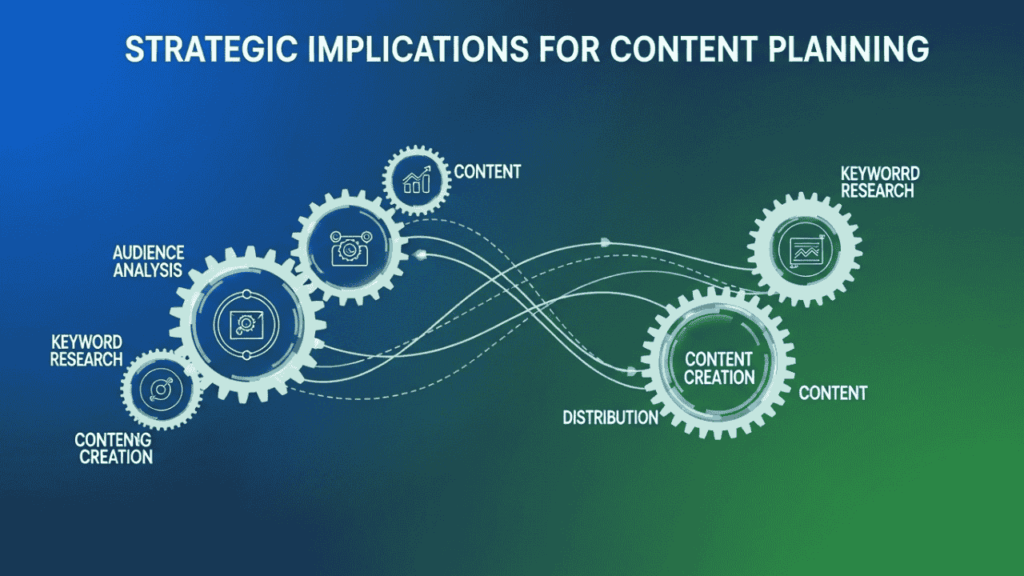
The topical authority revolution requires fundamental changes to content strategy:
Depth Over Breadth: Instead of covering many topics superficially, successful sites now focus on exploring fewer topics comprehensively. This means creating more detailed, nuanced content about subjects within your expertise rather than brief articles about diverse topics.
Content Cluster Architecture: Organize content around central pillar topics with supporting cluster content that explores subtopics in detail. This structure helps Google understand your area of expertise while creating natural internal linking opportunities.
Expert-Led Content Creation: Prioritize content created by or in collaboration with recognized experts in your field. Google’s algorithms increasingly value content from authors with demonstrated expertise and authority.
The Google index purge fundamentally changed the SEO landscape by making topical authority a primary ranking factor. Sites that embrace focused expertise over broad content coverage will thrive in this new environment, while those clinging to outdated volume-based strategies face continued algorithmic challenges.
Diagnosing Your Index Status
How to Check if You Got Hit by the Purge

Now that you understand what happened and why, it’s time to assess your own site’s status. Many website owners remain unaware they were affected by the Google index purge because they focus on traffic metrics rather than indexing data. This comprehensive diagnostic approach will reveal your site’s true health and identify pages at risk for future algorithm updates.
Using Google Search Console Effectively
Google Search Console provides the most reliable data for indexing analysis, but most users only scratch the surface of its diagnostic capabilities. Here’s how to conduct a thorough index audit:
Step 1: Navigate to the Pages Report Access Search Console → Indexing → Pages. This report shows your site’s complete indexing status, but the default view only tells part of the story. Click on each status category to see the full breakdown of why pages are or aren’t indexed.
Step 2: Analyze the “Not Indexed” Categories Focus particularly on these concerning categories:
- “Crawled – currently not indexed”: Pages Google visited but chose not to include
- “Discovered – currently not indexed”: Pages Google found but hasn’t crawled
- “Page with redirect”: May indicate content consolidation or removal
- “Duplicate without user-selected canonical”: Content quality issues
Compare your current numbers to data from 6-12 months ago. Significant increases in “not indexed” categories often indicate purge impact.
Step 3: Export and Analyze Historical Data Download your Pages report data monthly to track trends. Sites affected by the purge typically show gradual increases in “not indexed” pages starting around March 2024, with acceleration through summer months.
Interpreting “Crawled But Not Indexed” Status
This status became the signature indicator of the Google index purge. Pages marked “crawled but not indexed” represent content Google examined but decided wasn’t valuable enough for their search results database.
Common Reasons for This Status:
- Content quality doesn’t meet Google’s current standards
- Pages provide no unique value compared to existing indexed content
- Topics fall outside your site’s established authority areas
- Technical issues impair user experience
- Pages lack sufficient internal or external link signals
Diagnostic Questions to Ask:
- When was this content last updated?
- Does it align with your site’s core topics?
- Would you personally find this page helpful if searching for the topic?
- How does it compare to currently ranking pages for the same keywords?
Understanding Index Coverage Reports
Google Search Console’s Coverage report (now part of the Pages report) reveals patterns in how Google evaluates your content:
Valid Pages Analysis: Look at your indexed pages’ characteristics. What topics do they cover? How recent are they? What’s their average word count and depth? These successful pages reveal Google’s preferences for your site.
Error and Warning Patterns: Systematic errors across similar page types indicate algorithmic targeting. For example, if all your location-based service pages show the same indexing issues, it suggests a pattern rather than isolated problems.
Trend Analysis Over Time: Use the date filter to compare indexing status across different time periods. Sites hit by the purge show clear inflection points where indexing numbers dropped significantly.
Tools for Monitoring Indexing Changes
Beyond Search Console, several tools help monitor indexing health:
Site: Search Operator: Regularly perform “site:yourdomain.com” searches in Google to see what’s actually indexed. Compare results to your known page count to identify discrepancies.
Third-Party SEO Tools: Tools like Ahrefs, SEMrush, and Screaming Frog can track indexing changes over time and identify patterns Google Search Console might miss.
Custom Monitoring Scripts: Advanced users can create scripts that regularly check indexing status for important pages and alert you to changes before they impact traffic.
Red Flags That Indicate You’re at Risk
Even if you haven’t been hit by the purge yet, certain warning signs suggest vulnerability to future algorithmic actions:
Content Quality Red Flags:
- Large numbers of pages with minimal unique content
- Blog posts that haven’t been updated in 18+ months
- Product pages with only manufacturer descriptions
- Category pages with thin, generic content
- Pages that cover topics unrelated to your main business
Technical Performance Issues:
- Core Web Vitals scores in “poor” range
- Mobile usability problems
- Slow page load times (3+ seconds)
- High bounce rates on content pages
- Low average session duration across the site
Topical Authority Concerns:
- Content spread across many unrelated topics
- Lack of internal linking between related content
- No clear content clusters or topic hierarchies
- Author pages without demonstrated expertise
- Content that could belong on any generic website
When to Panic vs. When to Celebrate Lost Pages
Not all indexing losses are bad news. Understanding when to worry versus when to celebrate helps you respond appropriately:
Celebrate When:
- Low-quality, outdated content gets removed
- Traffic increases despite fewer indexed pages
- Remaining pages rank higher than before
- User engagement metrics improve
- Your content focus becomes clearer
Panic When:
- High-quality, recent content disappears
- Traffic drops significantly with page losses
- Important business pages become unindexed
- Your entire site’s indexing drops dramatically
- Technical errors cause systematic indexing failures
Quick Health Check Protocol
Implement this monthly diagnostic routine to monitor your site’s indexing health:
- Export Pages report data from Search Console
- Compare month-over-month indexing numbers for trends
- Review “not indexed” pages for patterns
- Check your top traffic pages are still indexed
- Monitor Core Web Vitals for technical issues
- Assess content freshness across main topic areas
- Verify internal linking between important pages
Sites that implement regular indexing audits rarely experience sudden, devastating losses because they identify and address issues before they trigger algorithmic actions.
The Google index purge taught us that reactive SEO strategies are insufficient in the current landscape. Proactive monitoring and continuous optimization have become essential for maintaining search visibility and avoiding future algorithmic disruptions.
Recovery and Prevention Strategies
How to Survive Google’s New Quality Standards

Whether you’ve been hit by the Google index purge or want to prevent future losses, implementing these recovery and prevention strategies will strengthen your site’s resilience against algorithmic changes. The key is understanding that modern SEO requires ongoing content curation, not just creation.
Content Audit Methodology for Identifying Weak Pages
A systematic content audit is your first line of defense against future purges. This process helps identify vulnerable content before Google’s algorithms do.
Phase 1: Data Collection and Analysis Export your complete page inventory from Google Search Console, Google Analytics, and your CMS. Create a master spreadsheet combining:
- URL and page title
- Current indexing status (indexed, not indexed, crawled but not indexed)
- Last modified date
- Organic traffic over the past 12 months
- Average session duration and bounce rate
- Number of internal links pointing to the page
- Primary topic/category classification
Phase 2: Vulnerability Scoring Assign risk scores (1-10) to each page based on purge indicators:
- Age without updates: 2+ years = 8 points, 1-2 years = 5 points, under 1 year = 2 points
- Traffic performance: No traffic = 9 points, declining traffic = 6 points, stable/growing = 1 point
- Topical relevance: Off-topic = 8 points, tangentially related = 5 points, core topic = 1 point
- Content quality: Thin content = 7 points, duplicate content = 9 points, comprehensive = 2 points
- Technical issues: Poor Core Web Vitals = 6 points, mobile problems = 5 points, fast loading = 1 point
Pages scoring 25+ points are prime candidates for the “delete vs. improve” decision process.
The “Delete vs. Improve” Decision Framework
Not every vulnerable page deserves saving. This framework helps make strategic decisions about content fate:
Delete When:
- Content is completely outdated with no evergreen value
- Topic falls outside your site’s authority areas with no logical connection
- Page has generated zero organic traffic for 12+ months
- Information is available in better form elsewhere on your site
- Updating would require complete rewriting that’s not economically viable
Improve When:
- Content addresses topics central to your expertise
- Page historically generated significant traffic or conversions
- Information is still relevant but presentation needs updating
- Content can be enhanced with current data, examples, or insights
- Page serves important internal linking or user journey functions
Archive When:
- Content has historical value but isn’t current
- Information might be useful for reference but shouldn’t rank
- Content represents past company offerings or outdated processes
Updating Stale Content Effectively
The Google index purge revealed that superficial updates aren’t sufficient. Google’s algorithms detect genuine content improvement versus cosmetic changes.
Comprehensive Update Approach:
- Research current information and industry developments since original publication
- Add new sections addressing recent trends or changes in the topic
- Update statistics, examples, and case studies with current data
- Refresh screenshots, images, and visual elements
- Review and update all internal and external links
- Enhance content depth by addressing related subtopics or user questions
- Add author bylines and expertise indicators where appropriate
Technical Update Requirements:
- Update the “last modified” date prominently
- Refresh meta descriptions to reflect new content
- Optimize for current keyword variations and search intent
- Ensure mobile responsiveness and Core Web Vitals compliance
- Add structured data markup where applicable
Internal Linking Strategies for Important Pages
The purge demonstrated that orphaned pages face disproportionate removal risk. Strategic internal linking signals content importance to Google while improving user experience.
Link Authority Distribution:
- Identify your most important pages (conversion-focused, high-traffic, core topics)
- Ensure these pages receive internal links from at least 5-10 other relevant pages
- Create topic clusters where pillar pages link to supporting content and vice versa
- Use descriptive anchor text that reinforces the target page’s topic relevance
- Regularly audit for broken internal links that could isolate important content
Content Hub Architecture:
- Organize content around central themes with clear hierarchies
- Create category and tag pages that logically group related content
- Implement breadcrumb navigation that reinforces content relationships
- Design user pathways that encourage exploration of related topics
- Use contextual linking within content to guide readers to relevant resources
Content Pruning Best Practices
Strategic content removal can improve your site’s overall authority by eliminating dead weight that dilutes topical signals.
Pruning Decision Process:
- Identify elimination candidates using your vulnerability scoring system
- Check for external links pointing to pages you’re considering removing
- Implement proper redirects (301 redirects to relevant existing content)
- Update internal links to point to new destinations
- Monitor traffic impact for 30-60 days after removal
- Document decisions for future reference and team coordination
Safe Pruning Guidelines:
- Never delete pages that currently generate significant traffic without careful analysis
- Always redirect deleted URLs to the most relevant existing content
- Preserve pages that serve important conversion or user journey functions
- Consider consolidating similar topics into comprehensive guides rather than deleting
- Maintain at least one high-quality page for each important topic in your niche
Resubmission Through Search Console
After improving or updating content, proper resubmission can accelerate re-indexing for previously removed pages.
Resubmission Process:
- Update the content substantially using the guidelines above
- Use the URL Inspection tool in Google Search Console to check current status
- Request indexing for the updated page
- Submit an updated sitemap that includes the refreshed content
- Monitor indexing status over the following weeks
- Create fresh internal links to the updated content from recently published pages
Building Topical Authority Systematically
Prevention is superior to recovery. Building genuine topical authority protects against future algorithmic changes.
Authority-Building Content Strategy:
- Develop content pillars around 3-5 core topics within your expertise
- Create comprehensive guides that thoroughly explore each pillar topic
- Publish supporting content that examines subtopics and related questions
- Demonstrate expertise through case studies, original research, and industry insights
- Build thought leadership by taking positions on industry issues and trends
- Collaborate with experts to enhance content credibility and reach
Long-Term Authority Signals:
- Consistent publishing schedule within your expertise areas
- Regular content updates that reflect industry evolution
- Community engagement through comments, social sharing, and backlinks
- Recognition from industry publications and expert sources
- Speaking engagements, interviews, and other authority-building activities
The Google index purge created an opportunity for sites willing to embrace quality over quantity. By implementing these recovery and prevention strategies, you position your site to not just survive future algorithm changes but thrive because of them.
The New Rules of SEO Content
Creating Purge-Proof Content in 2025
The Google index purge didn’t just remove low-quality content – it revealed a new blueprint for creating content that not only survives algorithmic scrutiny but gains strength from it. Understanding these new rules is essential for any content strategy that aims to build lasting search visibility.
The Quality Over Quantity Mindset Shift
The era of “publish daily to dominate” officially ended with the index purge. Google’s algorithms now reward strategic content creation that prioritizes user value over publishing frequency.
New Success Metrics: Instead of measuring success by content volume, focus on these quality indicators:
- Engagement depth: Time spent on page, scroll depth, and return visits
- Topic authority signals: Internal linking patterns and content cluster development
- User satisfaction metrics: Low bounce rates and high conversion rates from organic traffic
- Content longevity: Pages that maintain or grow traffic over 12+ months
- Expert recognition: Citations, backlinks, and social sharing from industry authorities
Strategic Publishing Philosophy:
- Publish one comprehensive, thoroughly researched article rather than three superficial pieces
- Allow weeks or months between publications to ensure each piece meets quality standards
- Focus on creating content that becomes the definitive resource for specific topics
- Prioritize updating and improving existing content over creating new pages
- Measure content ROI by long-term value rather than immediate traffic spikes
Topic Clustering and Content Mapping
The purge revealed Google’s preference for sites with clear topical organization and logical content relationships.
Content Cluster Architecture: Build your content around “hub and spoke” models where pillar pages serve as comprehensive guides for broad topics, supported by cluster content that explores specific subtopics in detail.
Example Cluster Structure for Digital Marketing Site:
- Pillar Page: “Complete Guide to Content Marketing Strategy”
- Cluster Content: “Content Calendar Planning,” “Blog Post Optimization,” “Video Content Creation,” “Content Distribution Channels”
- Supporting Content: Case studies, tool reviews, and industry trend analysis related to content marketing
Internal Linking Strategy:
- Link cluster content to relevant pillar pages using topic-relevant anchor text
- Create bidirectional linking between related cluster pieces
- Use contextual linking within content to guide readers through logical information progression
- Implement topic-based navigation that reinforces content relationships
- Design user pathways that encourage deep exploration of your expertise areas
User Intent and Search Satisfaction Focus
Google’s algorithms increasingly prioritize content that fully satisfies search intent rather than just matching keywords.
Intent-Based Content Creation: Informational Intent: Create comprehensive guides that answer questions thoroughly, anticipate follow-up questions, and provide actionable next steps. Include examples, case studies, and practical applications that help users implement advice.
Transactional Intent: Develop content that guides users through decision-making processes, compares options objectively, and provides clear paths to purchase or conversion without being overly promotional.
Navigational Intent: Ensure branded and product-related content provides easy access to desired information, clear contact details, and intuitive user pathways to relevant resources.
Commercial Investigation Intent: Build content that helps users evaluate options through detailed comparisons, honest pros and cons analysis, and transparent information about costs, features, and benefits.
Search Satisfaction Optimization:
- Address the complete user journey, not just the initial query
- Anticipate and answer related questions users might have
- Provide multiple content formats (text, images, videos) to accommodate different learning preferences
- Include clear takeaways and action items that users can implement immediately
- Design content that reduces the need for users to return to search results
The Role of E-E-A-T in Content Creation
Experience, Expertise, Authoritativeness, and Trustworthiness became critical factors during the Google index purge. Content that demonstrated these qualities survived at much higher rates.
Experience Demonstration:
- Share specific examples from your own work or business operations
- Include case studies with real results, metrics, and lessons learned
- Describe challenges you’ve faced and how you overcame them
- Provide behind-the-scenes insights that only practitioners would know
- Use first-person language appropriately to convey personal experience
Expertise Building:
- Cite relevant qualifications, certifications, or educational background
- Reference industry experience and years of practice in specific areas
- Demonstrate deep knowledge through technical discussions and nuanced analysis
- Stay current with industry developments and incorporate recent insights
- Engage with other experts through interviews, collaborations, or commentary
Authoritativeness Signals:
- Build consistent author profiles with professional headshots and detailed bios
- Publish regularly within specific expertise areas to establish thought leadership
- Seek speaking opportunities, podcast appearances, and industry recognition
- Create original research, surveys, or data analysis that others reference
- Develop relationships with other authoritative sources in your field
Trustworthiness Factors:
- Provide transparent contact information and company details
- Include clear privacy policies and terms of service
- Display security certificates and trust badges where appropriate
- Acknowledge limitations or potential conflicts of interest
- Correct errors promptly and transparently when they occur
Avoiding the AI Content Quality Trap
The purge revealed that Google can identify and penalize obviously AI-generated content, but high-quality AI-assisted content often survived.
AI Content Best Practices:
- Use AI as a research and ideation tool rather than a complete content generator
- Always add personal insights, experiences, and unique perspectives to AI-generated drafts
- Fact-check all AI-generated information against authoritative sources
- Rewrite AI content in your authentic voice and style
- Include original examples, case studies, and data that AI couldn’t generate
- Edit ruthlessly to eliminate generic language and obvious AI patterns
Quality Control Measures:
- Read content aloud to identify unnatural phrasing or repetitive structures
- Verify that conclusions and recommendations align with your genuine expertise
- Ensure content demonstrates understanding rather than just information regurgitation
- Add specific details and context that only a human expert would know
- Test content with target audience members before publication
Content Maintenance Schedules
The purge emphasized that content creation is only the beginning – ongoing maintenance is essential for long-term success.
Quarterly Review Process:
- Analyze traffic and engagement metrics for all published content
- Update statistics, examples, and references with current information
- Review and refresh meta descriptions and title tags for better click-through rates
- Check and update all internal and external links
- Assess content relevance and identify opportunities for expansion or improvement
Annual Deep Audits:
- Comprehensively review content accuracy and currentness
- Consolidate or redirect content that no longer serves strategic purposes
- Identify content gaps in your topic clusters and plan new creation
- Refresh author bios and expertise credentials
- Evaluate content performance against business goals and adjust strategy accordingly
These new rules for SEO content creation reflect Google’s evolution toward rewarding genuine expertise and user value. Sites that embrace these principles build sustainable competitive advantages that strengthen over time rather than requiring constant algorithm adaptation.
Long-Term Implications for SEO Strategy
What This Means for Your SEO Future
The Google index purge represents more than a temporary algorithm adjustment – it signals a permanent shift in how search engines evaluate and reward web content. Understanding these long-term implications is crucial for building SEO strategies that remain effective as Google’s quality standards continue to evolve.
The Death of “Spray and Pray” Content Strategies
The traditional approach of creating high volumes of content targeting diverse keywords has become not just ineffective but potentially harmful to your site’s overall performance.
Why Volume-Based Strategies Failed: The purge revealed that Google now evaluates websites holistically rather than page by page. Sites with mixed content quality saw their high-quality pages penalized by association with low-quality content. This “guilt by association” effect means that publishing weak content can actively harm your strong content’s performance.
The New Content Economics:
- Resource Allocation: Invest more time and budget in fewer, higher-quality pieces
- ROI Calculation: Measure content success over 12-24 month periods rather than immediate traffic spikes
- Quality Control: Implement editorial standards and review processes before publication
- Content Lifecycle Management: Plan for ongoing updates and improvements from the initial creation phase
Strategic Implications: Content teams must shift from production-focused metrics (posts per week) to outcome-focused measurements (topic authority growth, long-term traffic sustainability, conversion improvements). This requires different skills, tools, and organizational structures than traditional content marketing approaches.
Niche Authority vs. Broad Coverage Approaches
The purge definitively answered the long-standing debate between niche specialization and broad topic coverage – specialization wins decisively in the current SEO landscape.
Advantages of Niche Authority:
- Algorithmic Preference: Google’s algorithms clearly favor sites that demonstrate deep expertise in specific areas
- Competitive Moats: Deep specialization creates barriers to entry that protect against competitors
- User Trust: Audiences prefer getting information from recognized experts rather than generalists
- Link Building: Other experts are more likely to link to and collaborate with recognized authorities
- Conversion Rates: Specialized content typically converts better because it attracts more qualified traffic
Transitioning from Broad to Focused: Sites currently covering multiple unrelated topics should develop transition plans to gradually consolidate around their strongest authority areas. This might involve:
- Content Auditing: Identifying which topic areas generate the best engagement and business results
- Strategic Pruning: Removing or redirecting content outside core competency areas
- Authority Transfer: Finding ways to leverage existing content relationships during topic consolidation
- Brand Repositioning: Adjusting marketing messages and positioning to reflect narrower focus
Resource Allocation for Content Teams
The quality-over-quantity mandate requires fundamental changes in how organizations structure and fund their content operations.
New Team Structure Priorities:
- Subject Matter Experts: Hire or collaborate with recognized experts in your focus areas rather than generalist writers
- Quality Assurance: Invest in editorial oversight and fact-checking processes
- Content Strategy: Dedicate resources to long-term content planning and topic cluster development
- Performance Analysis: Build capabilities for measuring content quality metrics beyond traffic volume
- Maintenance Operations: Allocate significant resources to updating and improving existing content
Budget Reallocation Strategies:
- Reduce Publishing Frequency: Cut content volume by 50-70% while increasing per-piece investment
- Invest in Tools: Purchase premium research tools, editing software, and performance monitoring systems
- Expert Collaboration: Budget for interviews, expert contributions, and thought leadership partnerships
- Technical Infrastructure: Ensure your site can deliver excellent user experience and Core Web Vitals performance
Investment Priorities: New Content vs. Optimization
The purge demonstrated that optimizing existing content often delivers better ROI than creating new content, fundamentally changing content investment priorities.
Optimization-First Approach: Before creating new content, exhaust opportunities to improve existing pages:
- Content Expansion: Add sections, examples, and current information to existing guides
- User Experience Enhancement: Improve page layouts, loading speeds, and mobile experience
- Internal Linking Optimization: Strengthen connections between related content pieces
- Conversion Path Improvement: Better integrate content with business objectives and user journeys
Strategic Content Creation: When creating new content, ensure it serves specific strategic purposes:
- Gap Filling: Address important topics missing from your content clusters
- Authority Building: Demonstrate expertise through original research or unique insights
- Competitive Differentiation: Create content that establishes clear advantages over competitors
- Business Alignment: Focus on content that directly supports revenue goals and customer needs
Preparing for Future Algorithm Changes
The Google index purge won’t be the last major algorithmic shift. Building resilience against future changes requires strategic thinking about Google’s likely evolution.
Predictable Algorithm Trends:
- Increased AI Detection: Google will become more sophisticated at identifying and penalizing low-quality AI content
- User Experience Emphasis: Technical performance factors will become increasingly important for indexing decisions
- Authority Verification: Expect more aggressive fact-checking and expert credential verification
- Intent Matching: Algorithms will become better at matching content to specific user needs and contexts
Future-Proofing Strategies:
- Expertise Documentation: Build clear records of your credentials and experience in your focus areas
- User-Centric Design: Prioritize actual user needs over search engine optimization tactics
- Technical Excellence: Maintain industry-leading website performance and user experience
- Relationship Building: Develop genuine connections with other experts and authoritative sources
- Continuous Learning: Stay informed about Google’s stated priorities and algorithm updates
Organizational Adaptation Requirements: Companies must evolve their SEO approaches from tactical optimization to strategic business integration:
- Executive Buy-In: SEO strategy must align with overall business strategy and receive appropriate investment
- Cross-Functional Integration: Content, technical, and business teams must collaborate more closely
- Long-Term Planning: SEO initiatives should be planned over 12-24 month horizons rather than quarterly cycles
- Quality Metrics: Success measurements must evolve beyond traffic volume to include authority, engagement, and business impact
The Google index purge marked the end of an era in SEO – the transition from exploitation-based tactics to expertise-based strategies. Organizations that embrace this shift will build sustainable competitive advantages, while those clinging to outdated approaches will face continued algorithmic challenges and declining performance.
Conclusion
The Google index purge initially appeared as a catastrophe for millions of website owners, but it ultimately revealed itself as Google’s most significant gift to quality publishers in years. By systematically removing low-value content, Google created opportunities for sites committed to genuine expertise and user value to dominate their niches like never before.
We’ve explored how this algorithmic revolution unfolded, from the initial panic of disappearing pages to the surprising discovery that many sites saw traffic increases despite massive content losses. The purge wasn’t random destruction – it was surgical quality control that eliminated the digital clutter polluting search results while rewarding focused expertise.
The seven types of content that faced elimination – stale pages, keyword-stuffed articles, orphaned content, thin material, obvious AI spam, off-topic diversions, and technically broken pages – provide a clear roadmap for what to avoid. Meanwhile, the emphasis on topical authority has fundamentally changed how successful SEO strategies must be constructed.
Most importantly, you now have the diagnostic tools to assess your own site’s health and the strategic framework to build purge-proof content. Whether you need to recover from recent losses or prevent future vulnerabilities, the systematic approaches outlined here will strengthen your site’s resilience against algorithmic changes.
The new rules of SEO content creation – prioritizing quality over quantity, building topical authority, satisfying user intent completely, and maintaining E-E-A-T standards – aren’t temporary adaptations to a single algorithm update. They represent the permanent evolution of search toward rewarding genuine expertise and user value.
Don’t let the Google index purge be a crisis for your site – let it be the catalyst that transforms your content strategy from volume-based tactics to authority-based excellence. The sites that embrace this shift won’t just survive future algorithm changes; they’ll thrive because of them.
The choice is yours: continue fighting against Google’s quality standards, or align with them to build the kind of authoritative, valuable web presence that users and search engines both reward. The purge has shown us the way forward now it’s time to take action. Want to learn more about seo follow updates today.