Portfolio Visibility Beyond Your Local Market: How to Be Found Globally
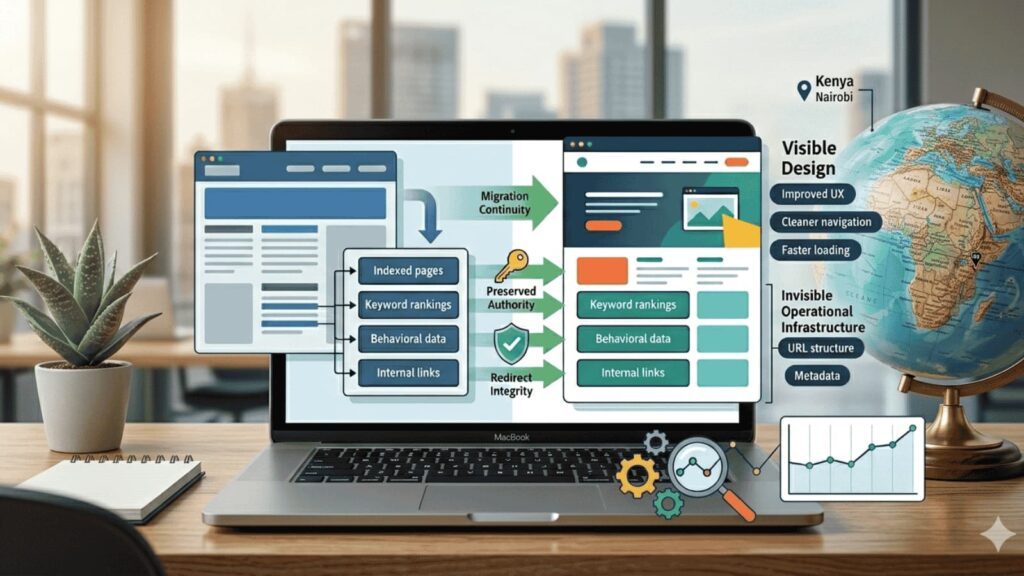
Most portfolios are built like digital business cards. Static. Passive. Waiting to be discovered. That approach worked when opportunities moved mostly through referrals and physical proximity. But the internet changed the geography of trust. Today, a designer in Nairobi competes in the same visibility system as agencies in London, developers in India, and consultants in New York. The problem is that many portfolios are still optimized for presentation instead of discoverability. Improving your portfolio visibility beyond your local market requires more than great design — it requires a discoverability system. A clean design alone does not create visibility. Search engines cannot rank aesthetics properly. Algorithms rank structure, relevance, authority, engagement, and clarity. Meanwhile, clients evaluate confidence, specialization, and proof of capability.
That means your portfolio is no longer just a gallery of work. It is a visibility system.
According to Google Search documentation, search visibility depends heavily on crawlability, content clarity, page structure, and relevance. A portfolio without searchable context becomes difficult for both users and search engines to understand. This creates a major hidden problem for freelancers, creatives, consultants, and agencies: They may be skilled enough for global opportunities while remaining structurally invisible outside their local circles.
How do you make your portfolio visible beyond your local market? You make your portfolio visible beyond your local market by optimizing it for search discovery, building authority through content, positioning your expertise clearly, and creating systems that help clients find and trust your work online.
At Marginseye Digital, we have seen talented professionals struggle not because their work was weak, but because their visibility systems were weak. The internet rewards discoverability. Not just talent.
This guide is reviewed and updated quarterly. Last verified: May 8, 2026 Next update scheduled: August 8, 2026
Key Takeaways
- A portfolio without discoverability systems remains locally trapped, regardless of skill level.
- SEO helps clients find your work organically, even outside your country or region.
- Positioning matters more than listing everything you can do.
- Content builds authority and expands reach beyond referrals.
- Global visibility depends on trust signals, not just visual design.
- Your portfolio should function like infrastructure, not a static showcase.
What Problems Prevent you From Having Portfolio Visibility Beyond Your Local Market?
The biggest problem is that many portfolios are built for approval instead of discovery. They look polished but say very little. Visitors often land on portfolios and still cannot answer basic questions quickly:
- What exactly does this person do?
- Who do they help?
- What results have they created?
- Why should someone trust them?
- What makes them different?
That confusion creates friction. Another issue is weak SEO structure. Many portfolios rely entirely on visuals without enough searchable text, service explanations, or strategic page structure. Consequently, search engines struggle to understand what the website should rank for. According to HubSpot SEO research, websites that combine strong content structure with optimized technical performance are more likely to attract organic traffic consistently.
Additionally, many creatives make the mistake of staying too geographically framed. Their messaging focuses entirely on local references instead of positioning their work around universal business outcomes.
For example: Weak positioning:
“Graphic designer based in Nairobi.”
Stronger positioning:
“Helping ecommerce brands improve conversion-focused visual identity systems.”
The second statement scales globally because it speaks to outcomes, not location. Another hidden issue is platform dependency. Many professionals rely only on Instagram, Behance, or LinkedIn visibility. But rented platforms limit control over discoverability. Algorithms change constantly. A portfolio website gives long-term visibility ownership.
How to Make Portfolio Visiblility Beyond Your Local Market A Reality
Visibility starts with clarity. The first step is defining what you want to be discovered for. Most portfolios are too broad, trying to attract everyone simultaneously. That weakens search relevance and positioning. Instead, structure your portfolio around:
- A specific expertise
- A clear audience
- Recognizable business outcomes
- Searchable service pages
- Proof-driven case studies
For example, instead of:
“I do websites, branding, social media, and editing.”
Use:
“I help SaaS startups improve lead generation through SEO-focused website systems.”
That creates positioning depth. The next step is optimizing your portfolio for search engines. This includes:
- Proper page titles
- Keyword-focused service pages
- Internal linking
- Fast loading speed
- Mobile optimization
- Metadata structure
- SEO-friendly URLs
Additionally, publish supporting content consistently. Content expands discoverability. A portfolio with articles, insights, tutorials, breakdowns, or case studies creates more entry points into your ecosystem. Search engines understand active expertise better than silent galleries. Another important shift is building trust structurally.
Global clients usually cannot meet you physically. Therefore, your portfolio must reduce uncertainty digitally. That includes:
- Testimonials
- Clear processes
- Real outcomes
- Professional communication
- Case studies with measurable impact
- Visible expertise
Trust must be visible before conversation starts.
Marginseye Digital Expert Insight
At Marginseye Digital, we have seen professionals completely transform their visibility simply by restructuring how their expertise is presented online. The skill level often stays the same. The visibility system changes. Most portfolios fail because they focus too heavily on showing work without explaining business value. Global clients are usually not looking for “creative people” alone. They are looking for predictable outcomes, clarity, and reduced decision risk. A portfolio becomes stronger when it explains thinking, not just visuals.
What Are the Benefits of Expanding Portfolio Visibility Beyond Your Local Market?
The biggest benefit is opportunity expansion. Local markets often have pricing ceilings, limited demand pools, or slower growth cycles. Expanding visibility globally increases access to:
- Higher-value clients
- Remote opportunities
- International collaborations
- Diverse industries
- Better pricing leverage
- Stronger professional positioning
Additionally, broader visibility reduces dependency on referrals alone. That matters because referral-only systems eventually plateau. Discoverability systems continue compounding over time through search visibility, content indexing, backlinks, and audience growth. Consequently, professionals with globally discoverable portfolios often create more stable inbound opportunities.
Another major benefit is authority positioning. When your portfolio ranks for specific expertise areas, clients begin perceiving you as a category specialist instead of a general freelancer competing on price. Visibility changes negotiation dynamics.
Case Studies: How Professionals Expanded Beyond Local Markets
Case Study 1 – Web Designer Attracts International Clients
A freelance web designer relied mainly on referrals from local businesses. The portfolio looked visually strong but had almost no written structure explaining services, SEO relevance, or outcomes.
After restructuring the portfolio with:
- SEO-focused service pages
- Clear positioning
- Detailed case studies
- Blog content around web strategy
Organic traffic increased gradually. Consequently:
- International inquiries started appearing
- Higher-budget projects increased
- Referral dependency reduced
The work quality stayed similar. Discoverability improved.
Case Study 2 – Copywriter Builds Global Authority Through Content
A copywriter struggled to stand out in crowded freelance marketplaces. Instead of competing directly on platforms alone, they built a portfolio website with educational articles, conversion breakdowns, and detailed process explanations.
As a result:
- Their articles began ranking in search
- LinkedIn visibility improved
- Clients arrived already trusting their expertise
The important shift was structural: Content became proof of thinking. Not just promotion.
How to Make Your Portfolio Globally Discoverable Step by Step
Step 1: Define Your Positioning Clearly
First, identify:
- Who you help
- What problem you solve
- What outcome you create
Clarity improves both SEO and client trust.\
Step 2: Build Dedicated Service Pages
Do not hide all services on one homepage. Learn how to structure your website pages to attract the right clients. Create separate pages optimized around specific search intent, such as:
- SEO website design
- Ecommerce branding
- Conversion copywriting
- Social media strategy
This creates more ranking opportunities.
Step 3: Publish Case Studies With Real Outcomes
Case studies should explain:
- The problem
- The process
- The solution
- The measurable outcome
Results build authority faster than generic portfolios. Read our in-depth portfolio optimisation guide for brand designers.
Step 4: Create Searchable Content Regularly
Write articles answering real industry questions.
Examples:
- “Why most business websites fail to convert”
- “How SEO affects ecommerce visibility”
- “What clients actually look for in portfolios”
Content expands discoverability continuously.
Step 5: Optimize Technical SEO
Ensure your portfolio:
- Loads quickly
- Works properly on mobile
- Uses proper heading structure
- Has clean URLs
- Includes metadata
- Uses internal linking
Technical friction weakens discoverability. Explore our complete website SEO guide for small businesses.
Step 6: Build External Channels to Grow Portfolio Visibility Beyond Your Local Market
Use platforms like:
- X/Twitter
- Behance
- Dribbble
- Medium
- YouTube
But direct traffic back to your own website ecosystem. You need owned visibility infrastructure.
What Are the Best Platforms for Portfolio Visibility?
| Platform | Best For | Visibility Strength |
|---|---|---|
| Personal Website | Long-term discoverability | Highest ownership |
| Professional networking | Strong authority | |
| Behance | Creative showcases | Design exposure |
| Dribbble | UI/UX visibility | Niche design audience |
| Medium | Written authority | Content reach |
| YouTube | Educational authority | High discoverability |
| X/Twitter | Industry conversations | Audience building |
The strongest systems usually combine platforms strategically instead of depending on only one source.
What Are the Pros and Cons of Expanding Beyond Local Markets?
| Pros | Cons |
|---|---|
| Access to larger client pools | Increased competition |
| Better pricing opportunities | Requires stronger positioning |
| More inbound visibility | SEO takes time |
| Reduced referral dependency | Content consistency needed |
| Stronger authority building | Global audiences expect clarity |
The key difference is this: Global visibility rewards systems more than proximity.
What Mistakes Should You Avoid When Expanding Portfolio Visibility?
- Trying to target everyone — Broad positioning weakens discoverability.
- Using vague descriptions — Clients need outcome clarity immediately.
- Ignoring SEO completely — Beautiful portfolios still need discoverable structure.
- Only relying on social media platforms — Algorithms reduce control.
- Publishing weak case studies — Show measurable outcomes instead of generic screenshots.
- Neglecting mobile optimization — Many clients first discover portfolios through mobile.
- Overdesigning the portfolio — Excessive animation can create usability friction.
- Failing to explain process — Trust increases when thinking becomes visible.
The deeper issue is that many portfolios are built as galleries instead of decision-making systems.
Quick Portfolio Visibility Checklist
Use this portfolio audit checklist:
- ☐ Is your positioning immediately clear?
- ☐ Do you explain business outcomes?
- ☐ Are service pages optimized for search?
- ☐ Is your website mobile-friendly?
- ☐ Does your portfolio load quickly?
- ☐ Do case studies include measurable results?
- ☐ Are you publishing searchable content consistently?
- ☐ Are external platforms directing traffic back to your website?
If several answers are “no,” your visibility problem is likely structural rather than talent-related.
Conclusion
Most people think portfolio visibility is about exposure. It is actually about structure. The internet does not reward talent automatically. It rewards discoverability, clarity, trust signals, and consistent authority building.
A portfolio that only showcases work remains limited by who already knows you. A portfolio built as a visibility system expands beyond geography.
That is the difference. Because globally visible professionals are not always the most talented. Often, they are simply easier to find, easier to understand, and easier to trust.
Want to show up in AI search?
Fix the words, and the visibility follows. The same copy changes that help real people understand your site also help AI know when to recommend you.” Get the full, plain‑language breakdown in the MarginsEye GEO Playbook, how to appear in AI‑generated search alongside traditional Google results.