
Key Takeaway
Mastering strategy in social media management requires a comprehensive approach that encompasses goal-setting, audience understanding, platform selection, content creation, community engagement, data analysis, and adaptability. By implementing these expert tips, businesses can enhance their online presence, effectively engage their target audience, and achieve measurable results through their social media efforts. This article provides a detailed roadmap for developing and executing a successful social media strategy, covering everything from defining clear objectives to staying ahead of industry trends.
Table of Contents
- Define Clear Objectives
- Know Your Audience
- Select the Right Platforms
- Develop a Content Strategy
- Engage Your Community
- Leverage Data Analytics
- Implement Effective Tools
- Optimize for SEO
- Integrate with Overall Marketing Strategy
- Stay Adaptable
- Measure ROI
- Build a Strong Team
Define Clear Objectives In Social Media Management
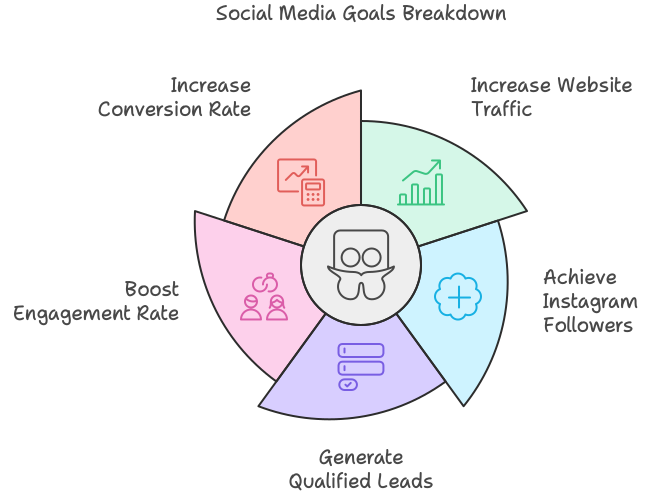
Setting specific, measurable, achievable, relevant, and time-bound (SMART) goals is the foundation of any successful social media strategy. Clear objectives provide direction for your efforts and help measure success.
Examples of SMART social media goals:
- Increase website traffic from social media by 30% in Q3
- Achieve 5000 new Instagram followers by year-end
- Generate 100 qualified leads per month through LinkedIn
- Boost engagement rate on Facebook posts to 5% within 6 months
- Increase social media conversion rate by 15% in the next quarter
When setting objectives, consider both short-term and long-term goals. Short-term goals might focus on increasing engagement or follower count, while long-term goals could involve brand awareness or customer loyalty.
Align these objectives with your overall business goals to ensure your social media efforts contribute to broader organizational success. This alignment helps justify resource allocation and demonstrates the value of social media to stakeholders.
| Goal Type | Example |
|---|---|
| Brand Awareness | Increase brand mentions by 25% in 3 months |
| Lead Generation | Obtain 500 email sign-ups through social media in Q4 |
| Customer Service | Reduce response time to under 2 hours for all social media inquiries |
| Sales | Drive $10,000 in sales directly from social media campaigns in 6 months |
Regularly review and adjust your objectives based on performance and changing business needs.
Know Your Audience In Social Media Management
Understanding your target audience is crucial for creating engaging content, choosing the right platforms, and developing effective messaging. A deep understanding of your audience allows you to tailor your social media strategy to their preferences and behaviors.
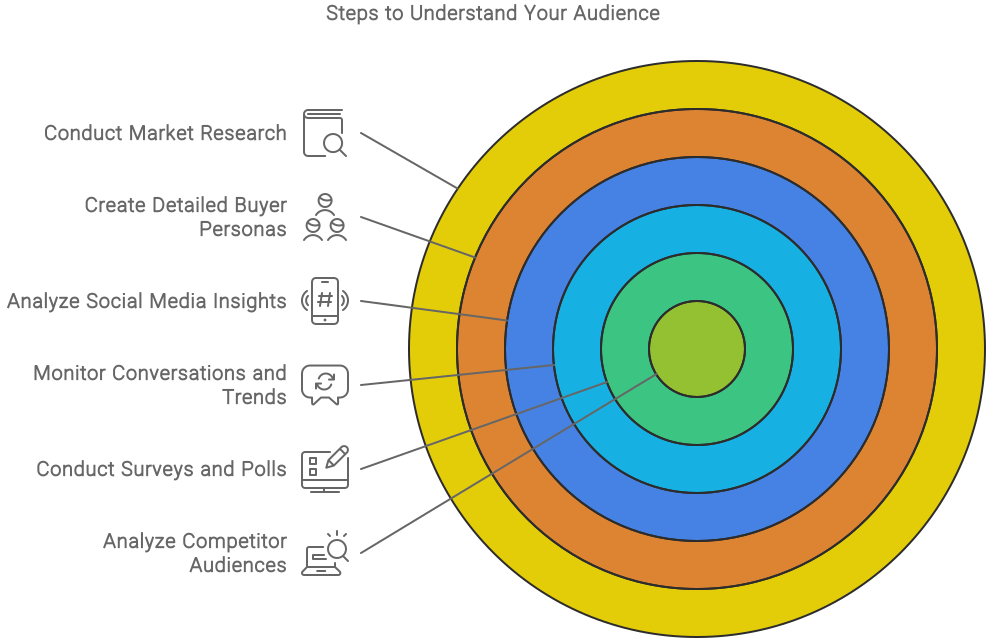
Steps to understand your audience:
- Conduct market research
- Create detailed buyer personas
- Analyze social media insights
- Monitor conversations and trends
- Conduct surveys and polls
- Analyze competitor audiences
Develop comprehensive buyer personas that include:
| Audience Aspect | Key Considerations |
|---|---|
| Demographics | Age, location, income, education, occupation |
| Psychographics | Interests, values, lifestyle, attitudes |
| Behavior | Social media usage, content preferences, purchasing habits |
| Pain Points | Challenges, needs, desires, frustrations |
| Goals | Personal and professional aspirations |
| Preferred Platforms | Where they spend most of their time online |
| Content Preferences | Types of content they engage with most (e.g., videos, infographics, blog posts) |
Use social media listening tools to monitor conversations about your brand, industry, and competitors. This can provide valuable insights into audience sentiment and emerging trends.
Regularly update your audience profiles as you gather more data and as market conditions change. This ongoing refinement ensures your strategy remains relevant and effective.
Select the Right Platforms When Doing Social Media Management
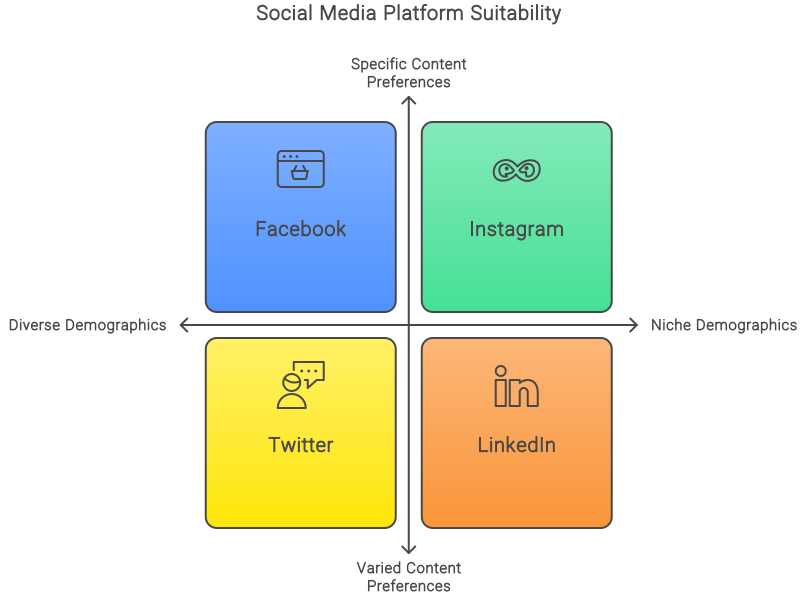
Choosing the appropriate social media platforms is crucial for reaching and engaging your target audience effectively. Each platform has its own unique features, audience demographics, and content preferences.
Popular platforms and their strengths:
- Wide demographic range
- Versatile content types
- Strong advertising capabilities
- Ideal for community building
- Visual content focus
- Younger audience (primarily 18-34)
- Strong for brand awareness and product showcasing
- Features like Stories and Reels for creative content
- Professional networking
- B2B marketing
- Thought leadership content
- Recruitment and employer branding
- Real-time updates and news
- Customer service
- Engagement with trending topics
- Short-form content
TikTok
- Short-form video content
- Predominantly younger audience
- Viral potential
- Creative and entertaining content
- Visual discovery platform
- Strong for lifestyle, DIY, and product inspiration
- High purchase intent among users
YouTube
- Long-form video content
- Second largest search engine after Google
- Ideal for tutorials, product reviews, and brand storytelling
When selecting platforms, consider:
- Where your target audience is most active
- The types of content you plan to create
- Your resources for content creation and management
- Your specific business goals and industry
It’s often more effective to focus on mastering 2-3 platforms rather than spreading resources thin across many networks. Start with the platforms that align best with your audience and goals, then expand as your strategy evolves and resources allow.
Develop a Content Strategy To Do Social Media Management Right
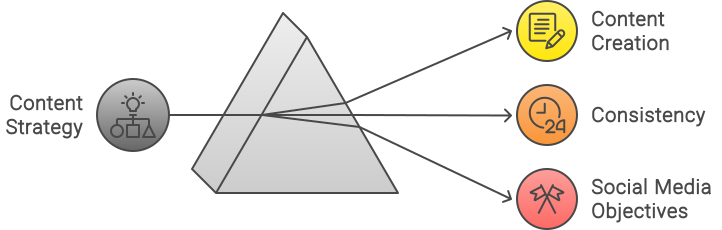
A comprehensive content strategy is the backbone of successful social media management. It guides your content creation, ensures consistency, and helps achieve your social media objectives.
Key elements of a strong content strategy:
- Content Themes: Develop overarching themes that align with your brand values and audience interests. These themes provide direction for your content creation and help maintain a cohesive brand message.
- Content Mix: Incorporate a variety of content types to keep your audience engaged and cater to different preferences. This may include:
- Text posts
- Images and infographics
- Videos (short-form and long-form)
- Live streams
- User-generated content
- Polls and interactive content
- Posting Schedule: Develop a consistent posting schedule for each platform. Consider optimal posting times based on your audience’s online behavior and platform-specific trends.
- Content Calendar: Use a content calendar to plan and organize your posts. This helps ensure a balanced mix of content and allows for strategic timing of campaigns and promotions.
- Brand Voice and Tone: Establish guidelines for your brand’s voice and tone on social media. This ensures consistency across posts and helps build a recognizable brand personality.
- Visual Guidelines: Create a style guide for visual content, including color schemes, fonts, and image styles. This helps maintain a cohesive visual identity across all platforms.
- Content Repurposing: Plan how to adapt content for different platforms. For example, a long-form blog post could be repurposed into multiple social media posts, an infographic, and a short video.
- User-Generated Content Strategy: Develop a plan for encouraging, curating, and sharing user-generated content. This can include contests, hashtag campaigns, and featuring customer stories.
- Content Pillars: Establish 3-5 content pillars that represent the main topics or themes your brand will focus on. These pillars should align with your expertise and audience interests.
| Content Pillar | Example Topics |
|---|---|
| Industry Insights | Trend analysis, expert interviews, research findings |
| Product Showcases | Features, benefits, how-to guides, user testimonials |
| Company Culture | Behind-the-scenes, employee spotlights, social responsibility initiatives |
| Customer Success Stories | Case studies, user-generated content, testimonials |
| Educational Content | Tips, tutorials, industry best practices |
8. Content Optimization: Ensure your content is optimized for each platform, considering factors like ideal image sizes, video lengths, and character counts for captions.
Remember to regularly review and adjust your content strategy based on performance data and evolving audience preferences. A flexible, data-driven approach will help you maintain an effective and engaging social media presence.
Engage Your Community In Social Media Management
Building and nurturing a strong community is crucial for long-term social media success. Engagement goes beyond simply posting content; it involves creating meaningful interactions with your audience and fostering a sense of belonging.
Tips for effective community engagement:
- Respond Promptly: Answer comments, messages, and mentions in a timely manner. Quick responses show that you value your audience’s input and are attentive to their needs.
- Encourage Discussions: Ask questions, run polls, and create posts that invite audience participation. This not only boosts engagement but also provides valuable insights into your audience’s preferences and opinions.
- User-Generated Content: Encourage and share user-generated content. This could include customer photos, reviews, or creative uses of your products. Always credit the original creator and obtain permission before sharing.
- Behind-the-Scenes Content: Share glimpses of your company culture, product development process, or day-to-day operations. This humanizes your brand and builds a stronger connection with your audience.
- Live Streaming: Utilize live video features to connect with your audience in real-time. This could include Q&A sessions, product launches, or live events.
- Exclusive Content: Offer exclusive content or perks to your social media followers. This could include early access to new products, special discounts, or insider information.
- Community Guidelines: Establish and enforce clear community guidelines to ensure a positive and respectful environment for all participants.
- Employee Advocacy: Encourage employees to engage with and share company content. This expands your reach and adds authenticity to your brand voice.
- Cross-Promotion: Collaborate with complementary brands or influencers to reach new audiences and provide added value to your existing community.
- Consistent Branding: Maintain consistent branding across all interactions to reinforce your brand identity and values.
| Engagement Tactic | Example |
|---|---|
| Question Posts | “What’s your favorite feature of our new product?” |
| User-Generated Content Campaign | “Share your best summer moments with our product using #SummerWithUs” |
| Live Q&A Session | “Join us live this Friday at 2 PM for a Q&A with our CEO” |
| Community Challenge | “Take part in our 30-day fitness challenge and share your progress” |
Remember, authentic engagement is key. Focus on building genuine relationships with your audience rather than simply chasing vanity metrics. A loyal, engaged community can become your brand’s best advocates and a valuable source of feedback and ideas.
Leverage Data Analytics
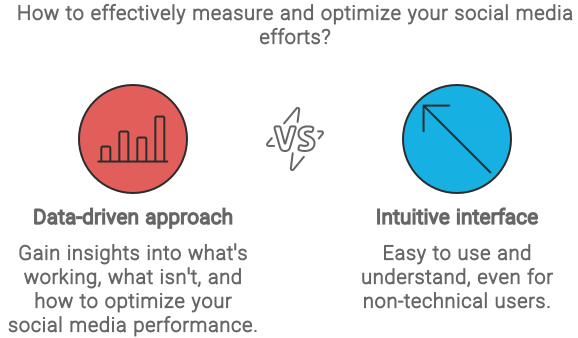
Data analytics is crucial for measuring the success of your social media efforts and informing strategy adjustments. By tracking and analyzing key metrics, you can gain insights into what’s working, what isn’t, and how to optimize your social media performance.
Key metrics to track:
| Metric | Description | Why It’s Important |
|---|---|---|
| Reach | Number of unique users who see your content | Indicates the size of your potential audience |
| Impressions | Total number of times your content is displayed | Shows how often your content appears in users’ feeds |
| Engagement Rate | Likes, comments, shares, and clicks relative to reach or followers | Measures how well your content resonates with your audience |
| Click-Through Rate (CTR) | Percentage of people who click on a link in your post | Indicates how effective your content is at driving traffic |
| Conversion Rate | Percentage of users who take a desired action (e.g., sign up, purchase) | Measures the effectiveness of your social media in achieving business goals |
| Follower Growth | Rate at which you’re gaining new followers | Indicates the growth of your social media audience |
| Share of Voice | Your brand’s visibility compared to competitors | Helps gauge your brand’s presence in the market |
| Customer Service Response Time | Average time to respond to customer inquiries | Measures the efficiency of your social customer service |
Tools for social media analytics:
- Native Platform Analytics: Most social media platforms offer built-in analytics tools (e.g., Facebook Insights, Twitter Analytics)
- Google Analytics: For tracking website traffic from social media
- Hootsuite: Offers comprehensive analytics across multiple platforms
- Sprout Social: Provides in-depth analytics and reporting features
- Buzzsumo: Useful for content performance analysis and competitor benchmarking
Steps for effective data analysis:
- Set Benchmarks: Establish baseline metrics to measure progress against
- Regular Reporting: Create weekly or monthly reports to track performance over time
- A/B Testing: Experiment with different content types, posting times, and messaging to optimize performance
- Competitor Analysis: Compare your performance against industry benchmarks and competitors
- Actionable Insights: Transform data into actionable insights to inform your strategy
- Adjust Strategy: Use insights to refine your content, posting schedule, and overall approach
Remember, while quantitative data is important, don’t overlook qualitative insights. Monitor comments, messages, and mentions for valuable feedback that numbers alone can’t capture.
By consistently analyzing your social media data, you can make informed decisions, allocate resources effectively, and continuously improve your social media strategy.
Implement Effective Tools For Great Social Media Management
Utilizing the right tools can significantly enhance your social media management efficiency and effectiveness. From content creation to scheduling and analytics, there are numerous tools available to streamline your workflow and improve results.
Key categories of social media management tools:
Content Creation Tools
- Canva: Graphic design tool for creating visually appealing posts
- Adobe Creative Suite: Professional-grade tools for image and video editing
- Animoto: Video creation tool for social media content
- Piktochart: Infographic and presentation creation tool
Social Media Management Platforms
- Hootsuite: Comprehensive platform for managing multiple social accounts
- Buffer: Scheduling and analytics tool with a user-friendly interface
- Sprout Social: Robust platform with strong team collaboration features
- Agorapulse: All-in-one social media management tool with CRM features
Social Listening and Monitoring Tools
- Brandwatch: Advanced social listening and analytics platform
- Mention: Real-time monitoring of brand mentions across the web
- Talkwalker: AI-powered consumer intelligence acceleration platform
Analytics and Reporting Tools
- Socialbakers: AI-powered social media marketing platform
- Keyhole: Real-time social media analytics and reporting tool
- Iconosquare: Instagram and Facebook analytics and management platform
Influencer Marketing Tools
- AspireIQ: End-to-end influencer marketing platform
- Upfluence: Influencer search and campaign management tool
- Grin: Influencer relationship management platform
Social Media Advertising Tools
- AdEspresso: Facebook and Instagram ad creation and optimization tool
- Smartly.io: Social advertising tool for large-scale campaigns
- Revealbot: Automation tool for Facebook and Instagram ads
When selecting tools, consider:
- Your specific needs and goals
- Budget constraints
- Team size and collaboration requirements
- Integration capabilities with your existing tech stack
- Scalability as your social media efforts grow
| Tool Category | Benefits |
|---|---|
| Content Creation | Streamline design process, maintain brand consistency |
| Management Platforms | Centralize operations, improve efficiency |
| Listening Tools | Monitor brand sentiment, identify trends |
| Analytics Tools | Measure performance, generate insights |
| Influencer Marketing | Streamline influencer discovery and management |
| Advertising Tools | Optimize ad spend, improve targeting |
Remember, while tools can greatly enhance your social media management, they should support your strategy, not drive it. Choose tools that align with your objectives and workflow, and be prepared to adapt as your needs evolve.
Optimize For SEO When Doing Social Media Management
While social media and search engine optimization (SEO) are often viewed as separate disciplines, integrating SEO principles into your social media strategy can significantly boost your overall online visibility and drive more organic traffic to your website.
Key ways to optimize your social media for SEO:
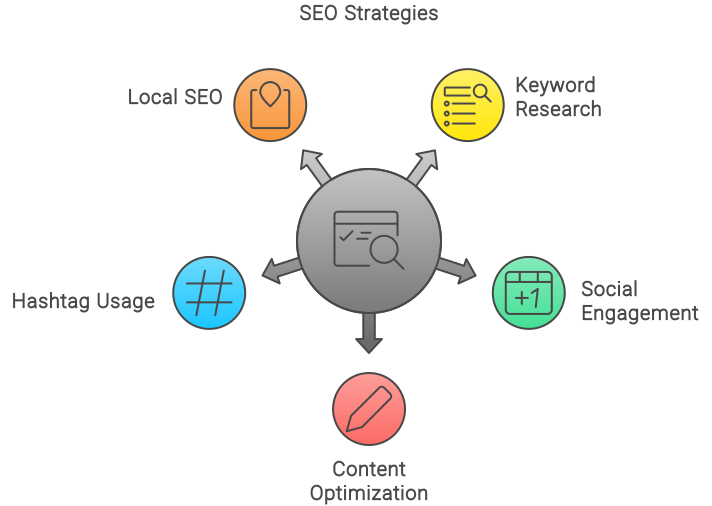
- Keyword Research: Use SEO tools to identify relevant keywords and incorporate them naturally into your social media profiles, posts, and content.
- Optimize Social Profiles: Ensure your social media profiles are complete and include relevant keywords. Use consistent branding and messaging across all platforms.
- Share Blog Content: Regularly share your blog posts and other website content on social media. This can help drive traffic and potentially improve the content’s search engine rankings.
- Use Hashtags Strategically: Research and use relevant hashtags to increase the discoverability of your content. Focus on a mix of popular and niche hashtags.
- Encourage Engagement: High engagement rates on social media can indirectly benefit your SEO by increasing brand awareness and driving traffic to your website.
- Optimize Images and Videos: Use descriptive file names and alt text for images shared on social media. This can help your visual content appear in image search results.
- Leverage YouTube SEO: Optimize your YouTube videos with keyword-rich titles, descriptions, and tags. YouTube is the second largest search engine after Google.
- Create Shareable Content: Develop high-quality, shareable content that naturally attracts backlinks, which can boost your website’s SEO.
- Local SEO: If you have a local business, ensure your social profiles include consistent NAP (Name, Address, Phone) information to support local SEO efforts.
- Monitor Social Signals: While not a direct ranking factor, social signals (likes, shares, comments) can indicate content quality to search engines.
Remember, while social media activity doesn’t directly impact search rankings, a strong social media presence can indirectly support your SEO efforts by increasing brand visibility, driving traffic, and encouraging content sharing.
Integrate with Overall Marketing Strategy
For maximum effectiveness, your social media strategy should be tightly integrated with your overall marketing efforts. This integration ensures consistency in messaging and maximizes the impact of your marketing initiatives.
Ways to integrate social media with your broader marketing strategy:
- Cross-Channel Campaigns: Develop marketing campaigns that span multiple channels, including social media, email, website, and traditional media.
- Content Distribution: Use social media as a key distribution channel for your content marketing efforts, sharing blog posts, whitepapers, and other valuable content.
- Customer Journey Mapping: Understand how social media fits into your customer’s journey and tailor your strategy accordingly.
- Lead Generation: Use social media to support lead generation efforts through targeted ads, gated content, and social selling.
- Customer Service: Integrate social media into your customer service strategy, offering support through social channels.
- Event Marketing: Leverage social media to promote and enhance both virtual and in-person events.
- Product Launches: Use social media to build buzz around new product launches and gather customer feedback.
- Influencer Partnerships: Align influencer collaborations with your broader marketing initiatives for consistent messaging.
By integrating social media with your overall marketing strategy, you can create a cohesive brand experience across all touchpoints and maximize the effectiveness of your marketing efforts.
Stay Adaptable
The social media landscape is constantly evolving, with new platforms emerging, algorithms changing, and user behaviors shifting. Staying adaptable is crucial for long-term success in social media management.
Ways to stay adaptable:
- Follow Industry News: Stay informed about the latest social media trends, platform updates, and best practices.
- Continuous Learning: Invest in ongoing education for yourself and your team through courses, webinars, and industry conferences.
- Experiment with New Features: Be open to trying new platform features and content formats as they emerge.
- Monitor Competitors: Keep an eye on what your competitors are doing on social media and look for opportunities to differentiate.
- Regular Strategy Reviews: Conduct periodic reviews of your social media strategy to ensure it remains aligned with your goals and audience needs.
- Agile Planning: Use an agile approach to social media planning, allowing for quick adjustments based on performance data and emerging opportunities.
- Embrace Change: Foster a culture that embraces change and sees challenges as opportunities for innovation.
By remaining adaptable, you can ensure your social media strategy remains effective and relevant in an ever-changing digital landscape.
Conclusion
Mastering strategy in social media management is an ongoing process that requires clear goal-setting, deep audience understanding, thoughtful platform selection, creative content development, genuine community engagement, and data-driven decision-making. By implementing these expert tips and staying adaptable to the evolving social media landscape, businesses can create a powerful social media presence that drives meaningful results.
Remember, social media success doesn’t happen overnight. It requires consistent effort, creativity, and a willingness to learn and adapt. Start implementing these strategies today, and you’ll be well on your way to social media mastery.
For more insights on digital marketing strategies, check out our related articles: